|
Which Used HOWO Tractor Truck Is Suitable for Your Business in Nigeria? |
How to Check a Used HOWO Tractor Truck Before Buying? |
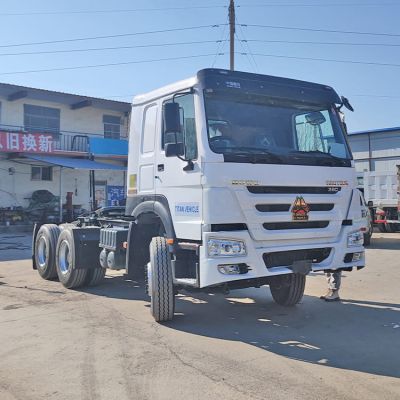
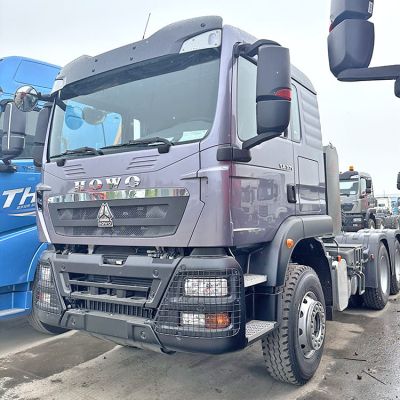
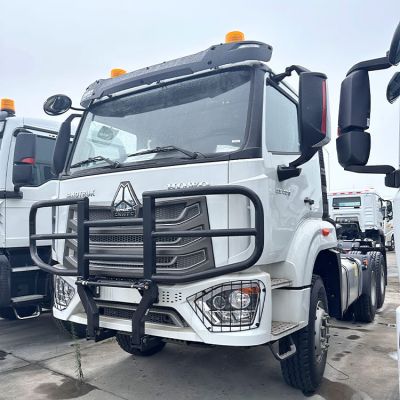
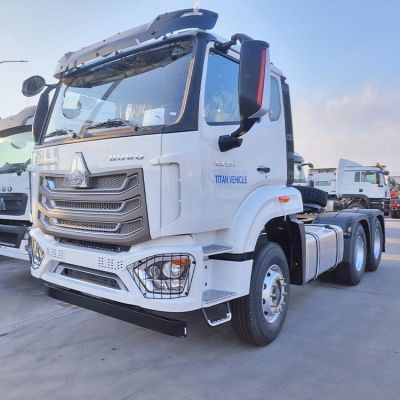
A used HOWO tractor truck can be a suitable option for Nigerian transport businesses looking for a heavy-duty truck head for container haulage, general freight or other compatible semi-trailer operations. The right vehicle depends on the work it needs to perform, its mechanical condition, engine power, axle configuration and total cost of putting it into service. Buyers should compare these factors before deciding which truck offers the best value.
For buyers searching for used HOWO tractor truck, used HOWO trucks for sale or used HOWO truck options in Nigeria, published vehicle specifications and the actual condition of the truck are more useful than a model name alone. A 371 HP tractor unit may be a reasonable candidate for a suitable freight operation, while a higher-power model may be worth considering for a more demanding application. Neither option should be selected without checking the intended trailer, operating conditions and individual vehicle records.
This guide helps Nigerian buyers compare common HOWO configurations, understand what affects second-hand truck prices, evaluate mechanical condition and prepare for the purchase and import process. It focuses on the decisions that can materially affect the purchase rather than repeating a long list of general product benefits.
The most suitable used HOWO tractor truck is the one that matches the buyer's freight operation, trailer and expected workload. A vehicle used for regular container movements may have different requirements from one pulling a flatbed semi-trailer carrying general cargo or a lowbed trailer transporting machinery. Defining the application first makes it easier to narrow down the required horsepower, axle arrangement and equipment.
Container haulage: Transport companies moving containers between ports, depots, warehouses and distribution points can consider a compatible tractor unit with the necessary coupling equipment and rated capacity. A 6×4 configuration is one option to evaluate, particularly when the intended combination requires two driven rear axles. However, the configuration alone does not establish the maximum permitted load, and buyers must verify the truck's ratings, fifth wheel, trailer compatibility and applicable operating requirements.
General freight: Businesses moving palletised goods, packaged materials and other general cargo should compare the tractor unit with the trailer already in use or the trailer they intend to purchase. Important factors include cargo weight, loading arrangements, journey distance and the operating schedule. For a fleet operator, compatibility with existing trailers and maintenance arrangements can be just as important as horsepower.
Construction and machinery transport: A used HOWO truck may also be considered for pulling a compatible lowbed or another specialised trailer. This application requires more careful assessment because the load may be heavy, concentrated or difficult to manoeuvre. The tractor unit, trailer, coupling system, braking equipment and permitted axle loads must be evaluated as a complete combination. A higher engine rating does not automatically make a truck suitable for every heavy-load operation.
Long-distance transport: Buyers planning frequent long journeys should pay particular attention to engine condition, cooling performance, gearbox operation, clutch wear, tyres and maintenance history. A truck with a suitable specification but a poorly maintained powertrain can create more downtime than a slightly different configuration with better documented condition. The practical objective is to select a vehicle that can perform the intended work consistently, rather than purchasing the highest horsepower available.
There is also a difference between choosing a vehicle for occasional work and choosing one for a business that depends on daily dispatches. If a truck is expected to operate most days, availability of suitable servicing, replacement parts and qualified mechanics should be considered before purchase. If the buyer already operates HOWO trucks, selecting a configuration compatible with the existing fleet may simplify maintenance planning, although the actual component specifications must still be checked.
For first-time buyers, the decision can be narrowed down by answering three questions. What trailer will the truck pull? What cargo and operating conditions will it encounter? What inspection evidence is available for the individual vehicle? These questions are a more reliable starting point than assuming every truck advertised as a used HOWO tractor truck has the same performance or remaining service life.
Buyers should also distinguish between the truck's technical suitability and its commercial suitability. A vehicle might have enough power for the intended operation but still be a poor purchase if its tyres need replacement, the gearbox requires work or the quotation excludes costs the buyer expected to be included. The final decision should take both technical condition and the cost of bringing the truck into service into account.
Horsepower is often one of the first specifications buyers compare when looking for used HOWO trucks for sale in Nigeria. It is useful, but it should not be treated as a complete measure of a truck's working capability. Transmission condition, axle configuration, drivetrain, engine maintenance and the trailer combination all affect whether a particular vehicle is suitable for a job.
TITAN's used HOWO listings include examples of 371 HP, 380 HP, 400 HP and 420–430 HP tractor trucks, as well as different model and drive configurations. These are options to enquire about, not a guarantee that every version is currently available in the same specification.
| Configuration | When to consider it | Key checks |
|---|---|---|
| 371 HP | Suitable general freight applications | Engine, gearbox and rated loads |
| 380 HP | Alternative power and equipment options | Exact model and steering configuration |
| 400 HP | Operations needing a higher power rating | Drivetrain condition and vehicle ratings |
| 420–430 HP | More demanding compatible operations | Maintenance history and total purchase cost |
Is a 371 HP used HOWO tractor truck enough for Nigeria?
It may be suitable for a compatible freight operation if its rated limits, mechanical condition and trailer configuration meet the actual requirements. Buyers should consider the expected load, route, gradients, journey distance and operating frequency. A general horsepower rating cannot replace a check of the complete vehicle and trailer combination.
Is a higher-power truck always better?
No. Additional power can be useful when the job requires it, but it does not compensate for poor maintenance, worn tyres or an unsuitable transmission. A higher-power used HOWO truck may also involve a different purchase price and configuration. Buyers should compare the expected operating benefit with the additional cost instead of choosing a model based on horsepower alone.
Does 6×4 mean a truck can carry any heavy trailer?
No. The designation describes the axle and drive arrangement, not unrestricted carrying capacity. The permitted loads depend on the specific truck's ratings, trailer specifications, axle loads, coupling equipment and applicable requirements. Before ordering, buyers should confirm the details for the individual vehicle rather than relying on a general description.
Steering configuration deserves attention when comparing imported used trucks. The reference 2021 model on TITAN's website is listed with a left-hand-drive cab. Buyers should confirm the configuration shown in the actual vehicle photographs and verify the requirements applicable to the intended use and registration in Nigeria. A product title or an older catalogue entry should not substitute for this confirmation.
Specifications should be treated as an initial screening tool. Before payment, ask the seller to confirm that the actual truck matches the published model, engine, transmission, axle and tyre details. The vehicle identification information and any available inspection report should correspond to the truck being sold.
Buyers should also establish whether listed equipment is original, replaced or repaired. If an engine or gearbox has been rebuilt, ask what work was completed and whether supporting records are available. This is particularly important when comparing two vehicles with similar horsepower ratings, because their maintenance histories may be very different.
The price of a used HOWO truck depends on the individual unit rather than the HOWO name alone. Model year, mileage, mechanical condition, engine rating, equipment, refurbishment work and the seller's quotation terms can all affect the amount payable. Buyers should therefore compare quotations for specific vehicles rather than assume that all trucks with similar specifications should have the same price.
TITAN's published listing for a slightly used 2021 HOWO tractor truck displays a price of US$16,500. This provides a concrete reference for a buyer evaluating a particular specification, but it should not be interpreted as a current price for every truck in the category. Confirm availability, condition and the latest quotation before using it in a purchase budget.
The most important distinction is between the vehicle purchase price and the total cost of importing and operating it. A used howo trucks for sale advertised at a lower price may require more repairs, while a higher-priced truck may include work or equipment that reduces immediate preparation needs.
Vehicle price: Confirm the exact model, year, mileage, engine, transmission, axle configuration and vehicle condition. Ask whether the price includes any stated refurbishment or replacement parts, and request the supporting details. If the supplier is quoting a specific unit, the written quotation should identify it clearly enough to avoid confusion with another truck.
Preparation and repairs: A second-hand truck may require maintenance before beginning commercial work. Depending on its condition, potential expenses can include tyres, batteries, fluids, filters, brake components, hoses or repairs to major mechanical systems. These are items to inspect, not a statement that every used HOWO truck will need all of them. A condition report is useful for deciding which costs should be included in the budget.
International shipping: Freight costs depend on the shipping arrangement, loading port, destination, timing and the services included in the quotation. Buyers should ask whether ocean freight, loading, export handling, documentation and marine insurance are included or quoted separately. A product-page price alone does not establish a delivered price to Lagos or another Nigerian destination.
Customs and destination costs: Import duties, taxes, port charges, clearing-agent fees and inland delivery can affect the final cost.
A practical way to compare offers is to prepare a cost sheet with separate lines for the truck, any agreed refurbishment, export and shipping services, insurance where applicable, customs and clearing expenses, local delivery and expected initial maintenance. Enter confirmed amounts where available and mark unconfirmed items as estimates or pending quotations. This avoids presenting an uncertain total as a guaranteed landed cost.
Photographs and product descriptions help buyers shortlist vehicles, but they cannot fully establish mechanical condition. Before paying for a used HOWO tractor truck, buyers should request evidence relating to the exact vehicle and arrange an independent inspection where practical. The objective is to identify material risks before they become repair costs or delays after arrival in Nigeria.
Vehicle identity and documentation: Ask for the chassis or vehicle identification number, engine identification where available, model designation and model year. Request photographs of the relevant identification plates and compare them with the sales documents. If the proposed truck changes during negotiations, repeat the verification process for the replacement unit.
Engine condition: Request a current engine-bay video and, where practical, a cold-start video showing the dashboard and engine operation. Look for fluid leaks, abnormal sounds, irregular running, warning lights and excessive visible smoke. These signs do not always establish the cause of a fault, so an experienced mechanic should assess any concerns. A seller's claim that an engine is in good condition should be supported by inspection evidence where possible.
Transmission and clutch: Confirm the gearbox model on the actual truck and ask about its shifting performance. During appropriate testing, look for difficult gear selection, abnormal noise, clutch slipping or unusual vibration. If the transmission has been repaired or rebuilt, request details of the work and any available service records. The presence of a particular gearbox model does not prove that the gearbox is in good condition.
Chassis, axles and suspension: Inspect the frame for cracks, deformation, corrosion, poor-quality welds or evidence of significant structural repairs. Check the visible condition of suspension parts, axle housings, driveshafts, wheel hubs and differential areas. Look for oil leaks and uneven tyre wear that could indicate problems requiring further assessment. Structural and drivetrain concerns should be resolved before the truck is dispatched.
Fifth wheel and trailer compatibility: The fifth wheel and coupling system connect the tractor unit to the semi-trailer, so they deserve specific attention. Verify that the coupling is in sound condition and compatible with the intended trailer's kingpin. Check the locking mechanism, mounting area and overall configuration. A mechanically sound truck can still be unsuitable for an existing trailer if the coupling or vehicle arrangement does not match.
Brakes and air system: Ask for checks of the braking system, air pressure build-up, visible air leaks, brake controls and related components. The inspection should cover the actual equipment fitted to the truck and any relevant trailer connections. Do not assume that a vehicle is road-ready merely because it starts and moves under its own power.
Tyres and electrical equipment: Examine tyre condition, tread wear, visible damage and the specified tyre size. Check exterior lights, indicators, dashboard warnings, battery condition and charging operation. The 2021 reference listing specifies 12R22.5 tyres, but buyers should confirm the tyres fitted to the actual unit. Replacement costs should be considered if the existing tyres are unsuitable or near the end of their service life.
Mileage and maintenance history: Ask for odometer photographs and dated maintenance or repair records, if available. Compare the available readings and check whether the observed wear is broadly consistent with the information supplied. Mileage can help buyers compare vehicles, but an odometer reading alone does not prove the full operating history. Contradictory records or unexplained discrepancies should be clarified before payment.
Refurbishment claims: The terms “slightly used,” “refurbished” and “reconditioned” do not necessarily mean the same thing. Ask which components have been inspected, repaired or replaced, and which remain in their existing condition. If work has been completed on the engine, gearbox, axles or braking system, request the relevant details instead of assuming that the entire truck has been rebuilt.
Remote inspection: For buyers unable to visit the vehicle in person, request dated photos and a walk-around video that clearly identifies the unit under discussion. Include the chassis identification, cab, dashboard, engine area, tyres, frame, axles and fifth wheel. Live video can help clarify questions about the truck, but it should not be presented as a substitute for an independent mechanical inspection.
These checks allow buyers to compare used HOWO trucks on a more consistent basis. A lower-mileage vehicle is not automatically the better purchase, and a refurbished truck is not automatically problem-free. The strongest candidate is the one whose condition is supported by evidence and whose remaining uncertainties are understood before the buyer commits to shipping.
Before purchasing used HOWO trucks for sale, Nigerian buyers should confirm the vehicle's specifications, shipping arrangements, required documents and total import costs. Planning these details in advance helps avoid unexpected expenses and delays.
Shipping and documentation: Confirm the departure port, destination, shipping method and estimated freight costs. Ask the supplier which export and shipping documents are included, whether marine insurance is available, and who is responsible for each arrangement.
Customs clearance and import costs: The final cost goes beyond the truck's purchase price. Buyers should budget for shipping, insurance where applicable, customs duties and taxes, port handling, clearing-agent fees and inland delivery. Consult a Nigerian clearing agent to verify the current import requirements and applicable charges for the specific vehicle before shipment.
Vehicle inspection and preparation: Before payment and dispatch, verify the truck's chassis number, engine specifications, mileage and maintenance history. Request recent photographs or videos, and arrange an independent inspection where possible. After arrival, check the vehicle's condition and complete any necessary maintenance before putting it into operation.
Maintenance and spare parts: Consider whether local workshops can service the selected HOWO model and obtain suitable replacement parts. For transport businesses, maintenance planning can help reduce unexpected downtime and control operating costs.
When enquiring about used HOWO trucks for sale in Nigeria, provide your preferred horsepower, axle configuration, model year, budget and delivery destination. Ask for the latest price, vehicle condition, available documentation and shipping quotation so you can compare the total cost before making a decision.
Q1: How much is a used HOWO tractor truck for sale in Nigeria?
The price depends on the vehicle's model year, horsepower, condition, mileage and quotation terms. TITAN's published 2021 slightly used HOWO tractor truck listing displays US$16,500, but this is a reference price for a specific listing, not a guaranteed current quote or a confirmed delivered price in Nigeria. Buyers should request an updated quotation and budget separately for shipping, customs and other applicable costs.
Q2: Which HOWO horsepower should I choose for a Nigerian transport business?
A 371 HP, 380 HP or higher-power truck may be suitable depending on the intended trailer, cargo, route and vehicle condition. Compare the actual specifications and rated limits rather than selecting by horsepower alone. The right choice is the one that meets the operating requirements at an acceptable total cost.
Q3: What should I check before buying a used HOWO truck?
Verify the vehicle identification, engine and gearbox condition, chassis, axles, brakes, tyres, fifth wheel and maintenance history. Ask for unit-specific photographs and inspection evidence, and arrange an independent mechanical inspection where possible. Make sure the final sales documents identify the same truck that was inspected.
Q4: Does the advertised price include shipping and customs charges to Nigeria?
Not necessarily. Confirm whether the quotation is for the truck only or includes export services, freight, insurance and delivery to the agreed destination.
Q5: How do I compare used HOWO trucks for sale from different suppliers?
Compare individual vehicles on the same basis: year, mileage, engine rating, axle configuration, condition, refurbishment work and price terms. Request supporting inspection information and separate the vehicle price from shipping, customs and preparation expenses. This makes it easier to identify the offer that provides the best value for the intended work.
Q6: Where can I find used HOWO tractor trucks for Nigeria?
Buyers can review TITAN's used HOWO tractor truck listings and enquire about specific configurations. Provide the required horsepower, drive arrangement, budget and destination to help the supplier identify relevant options.


